
Fuel Prices in Nigeria Rise 65% Due to the Global Oil Shock
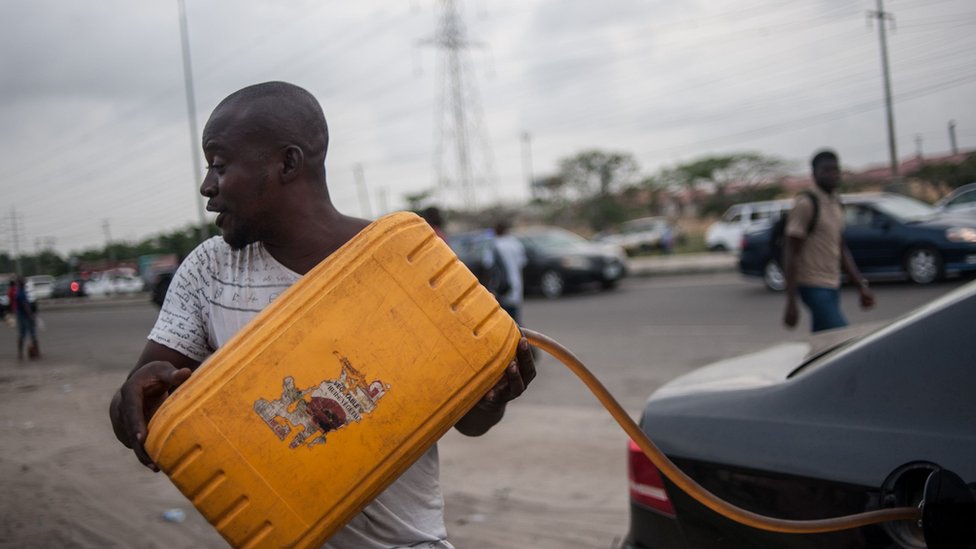
Among the major African economies, the price increase has been the greatest, at over 65%. Although the refinery was supposed to lower imports and stabilize prices, Nigeria is still largely dependent on foreign crude. Local supply is limited since a large portion of its own oil production is locked up in loan repayments to foreign lenders and energy firms.
The prolonged turmoil in the Middle East has exacerbated the problem by disrupting global supply channels and driving oil prices beyond $100 per barrel.
The consequences are serious and immediate for Nigerians. Food prices have sometimes doubled, transportation costs have increased, and businesses are having trouble keeping up with rising operating costs. Many homes and businesses rely on fuel-powered generators due to the nation’s inconsistent energy supply, which makes them particularly susceptible to price spikes.
Instead of reintroducing fuel subsidies, the administration has opted to concentrate on long-term market reforms and limited short-term relief measures.
Also Read:
Trusted Name in Finance and Investment Consulting: Sasa Pejic as the CEO of Pannon GroupNS
Steven Looije: Offering Real Estate Expertise for Smart Investments With HUIS Real Estate