Sudanese Farmers Suffer as the Conflict in Iran Raises Prices
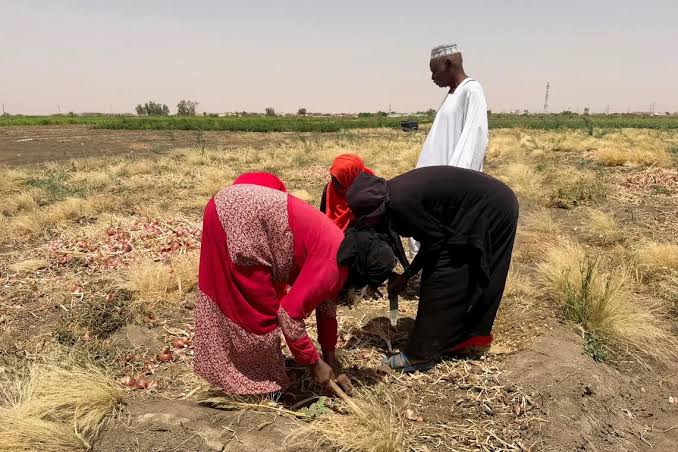
Sudanese farmers are feeling the effects of the conflict in Iran thousands of miles away, as soaring fuel and fertilizer prices put food production at risk in a nation already dealing with one of the greatest humanitarian crises in the world.
Growers in the Al-Jereif West farming sector of Khartoum claim that rising diesel and fertilizer costs have made it harder to survive. Disruptions in the Strait of Hormuz, a crucial shipping route that allows more than half of Sudan’s imported fertilizer to arrive from the Gulf, are blamed by many.
Poor transportation connections are exacerbating the situation in Sudan’s isolated agricultural areas, such as Kordofan, White Nile, Darfur, and Blue Nile, by raising prices and restricting access to necessary goods.
Agricultural experts caution that if the shortages persist, Sudan may experience significant food shortages due to lower harvests of staple crops like wheat, maize, and legumes. They claim that millions of people who are already fighting for their lives could face disastrous outcomes.
Also Read:
Sudan Accuses the UAE of Arming Rival Paramilitary Groups in Order to Stoke Conflict
President of South Africa Ramaphosa Takes the Oath of Office for a Second Term