Ravi Singh and the Borderless Brand Era
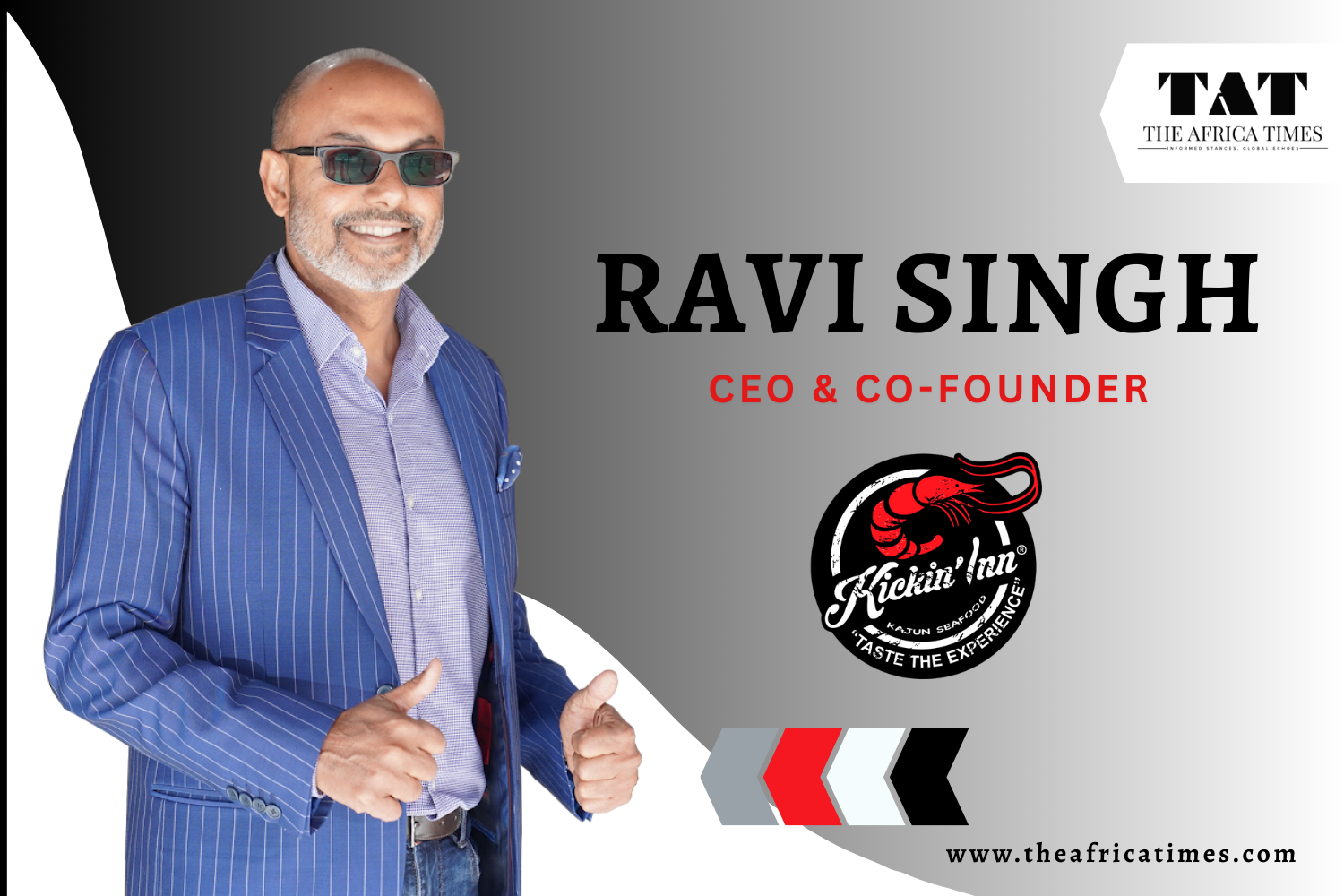
In this exclusive interview with The Africa Times, Ravi Singh reflects on how shifting demographics, multicultural identities, and Gen Z values are reshaping modern hospitality. From co-founding Kickin’Inn to scaling a people-first brand across Australia, he shares why the future of hospitality is no longer transactional, but rooted in belonging, cultural relevance, and authentic connection.
Building Brands for a Borderless, Values-Driven Generation
As consumer expectations continue to evolve, driven largely by Gen Z and increasingly multicultural audiences, we asked Ravi Singh how these demographic shifts have influenced the way he builds brand culture and customer experience. We asked: “Gen Z and increasingly multicultural audiences are reshaping consumer expectations. How have these demographic shifts influenced the way you build brand culture and customer experience?”
“These shifts have fundamentally changed how I think about brand-building. Gen Z and multicultural audiences don’t want a generic experience. They want to feel seen. They value inclusivity, expression, and authenticity, and they can sense instantly when a brand is trying too hard or being performative. That’s pushed us to design culture first, experience second, and marketing last.
At Kickin’Inn, our brand has always been loud, expressive, and communal, so in many ways, this shift has validated what we believed early on. Food on the table, hands-on dining, shared moments, storytelling, and energy- these things cut across cultures and generations. Multicultural audiences don’t want brands to dilute identity. They want brands that celebrate it. That means flavour, music, language, visuals, and service style all working together to create an experience that feels alive.
For Gen Z specifically, experience must be participatory. They don’t just consume brands. They co-create them. They engage through social media, content, reviews, and community moments. That has influenced how we design touchpoints, from how our teams interact with guests to how moments are captured and shared organically. Experience today must be “camera-ready” without being staged.
Culturally, this means we hire for attitude, openness, and emotional intelligence. We build teams that reflect the diversity of our guests, because culture cannot be faked. It must be lived daily. When your people genuinely represent your audience, experience becomes natural. Demographics haven’t just changed expectations. They’ve raised the standard. And I see that as a positive challenge.” He responded by emphasising that demographic change has elevated both cultural and experiential standards across the hospitality sector.
Purpose, Authenticity, and Internal Culture
As the conversation moved from external experience to internal foundations, we asked Ravi how brands can ensure purpose and authenticity are truly lived inside the organisation, rather than simply communicated outwardly. We then followed up by asking: “Modern consumers expect brands to stand for purpose and authenticity. How do you ensure these values are lived inside the organization, not just communicated externally?”
“Purpose only matters if it shows up when no one is watching. Consumers today, especially younger ones, can detect inconsistency instantly. That’s why I believe purpose must be operational, not ornamental. At Kickin’Inn, values aren’t posters on a wall. They’re behaviours that are reinforced daily through leadership actions, decision-making, and accountability.
It starts with leadership alignment. If leaders don’t live the values, the organisation never will. We’re very clear internally about what we stand for, people first, community impact, growth through learning, and delivering joy through experience. Every major decision is filtered through those lenses. If something looks good commercially but compromises culture or integrity, it’s a hard no.
We also embed values into systems, how we train, promote, recognise, and communicate. People don’t believe what you say. They believe what you reward. When team members see that behaviour aligned with values leads to opportunity and growth, authenticity becomes self-sustaining. Purpose then moves from being a message to being muscle memory.
Externally, we don’t overstate or exaggerate. We let our actions speak, through community involvement, how we treat our teams, and how consistently we show up for our customers. Authenticity isn’t about being perfect. It’s about being honest and accountable. When purpose is lived internally, external communication becomes a reflection, not a performance.” He explained that purpose must be embedded into leadership behaviour and everyday systems to be credible.
Generational Shifts in Hospitality Engagement
Expanding the discussion further, we asked Ravi about the differences he observes in how older and younger generations engage with hospitality brands today. We asked: “What differences do you observe between how older and younger generations engage with hospitality brands and experiences today?”
“The biggest difference is intent. Older generations often engage hospitality brands transactionally. They value reliability, comfort, and familiarity. They care about service quality, value for money, and consistency. Loyalty is built over time through repeated positive experiences, and brand trust plays a big role in decision-making.
Younger generations engage emotionally and socially. They choose brands that align with their identity, values, and social image. Experience matters as much as the product, sometimes more. They engage before they arrive, during the experience, and long after they leave through content, reviews, and online conversations. Loyalty is faster to earn, but also easier to lose if authenticity breaks.
Another key difference is patience. Younger consumers expect speed, transparency, and responsiveness. They are comfortable with digital interfaces, but they still crave human connection when it matters. Older generations may tolerate friction if the outcome is good. Younger ones will simply move on.
What’s important for hospitality brands is not choosing one over the other, but designing layered experiences. You need operational excellence to satisfy traditional expectations, and cultural relevance to engage modern ones. The brands that succeed will be those that respect legacy while designing for the future, without talking down to either group.” He noted that generational differences require layered experiences rather than one-size-fits-all solutions.
Looking Ahead: The Next Wave of Disruption
Finally, we asked Ravi to look ahead and identify the demographic trends he believes will most disrupt traditional hospitality and consumer-facing businesses over the next decade. We then asked: “Looking ahead, which demographic trends do you believe will most disrupt traditional hospitality and consumer-facing businesses over the next decade?”
The most disruptive trend will be the rise of values-led, experience-driven consumers across all age groups. What started with Gen Z will become mainstream. Purpose, sustainability, inclusion, and transparency will no longer be differentiators. There’ll be minimum standards. Brands that fail to evolve will quietly become irrelevant.
Multiculturalism will also accelerate disruption. Australia, like many markets, is becoming more culturally layered. Hospitality businesses that don’t understand nuance, flavour preferences, service expectations, and communication styles will struggle. The future belongs to brands that can operate globally while feeling local.
Another major shift will be generational leadership turnover. As younger leaders move into decision-making roles, workplace expectations will change; flexibility, meaning, growth, and well-being will matter more than hierarchy. Hospitality businesses that cling to rigid, outdated models will face talent shortages and cultural decay.
Finally, digital-native consumers will expect seamless integration between physical and digital worlds. Discovery, engagement, loyalty, and feedback will all be interconnected. Traditional hospitality businesses that see digital as “marketing” instead of infrastructure will fall behind.
The next decade won’t reward size alone. It will reward adaptability, emotional intelligence, and cultural intelligence. Hospitality is still about people. But the definition of “people” is expanding, and so must our thinking.” He concluded by highlighting adaptability and cultural intelligence as defining factors for future-ready hospitality brands.
Connect with Ravi Singh on LinkedIn. Find Kickin’Inn Australia on LinkedIn and their website https://www.kickininn.com.au/.
Also Read :-
Anthony Penwright | Leading With People at the Heart of Digital Transformation
Christoph Guger | Unlocking the Brain’s Potential Through Precision Innovation