Jeffrey Beri: The Man Behind No Dogs Left Behind’s Life-Saving Mission
Introduction
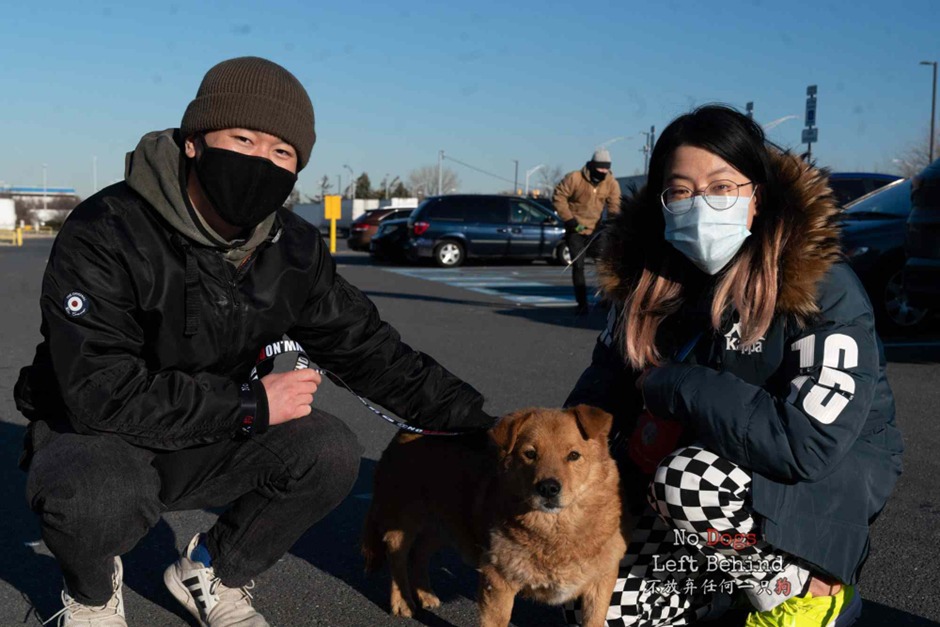
Behind every large-scale rescue effort, there is usually a person who started it with a clear purpose. In the case of No Dogs Left Behind, that person is Jeffrey Beri. While the organization itself operates across countries and involves many people, the foundation of its mission can be traced back to his work and involvement.
This article takes a closer look at who Jeffrey Beri is, how he became associated with animal rescue, and what role he plays in the ongoing efforts of No Dogs Left Behind.
Early Interest in Animal Welfare
Every long-term mission starts with a moment of awareness. For Jeffrey Beri, that awareness came through exposure to the realities of animal cruelty, particularly in environments where dogs are treated as commodities rather than companions.
This was not something that could be ignored once seen closely. It created a sense of urgency that gradually turned into action. Instead of limiting his involvement to donations or support roles, he chose to become directly involved in rescue efforts.
This decision shaped the direction of his work in the years that followed.
The Creation of No Dogs Left Behind
No Dogs Left Behind was not built as a traditional organization from the start. It evolved out of a need to respond to real situations on the ground.
The goal was clear:
- Rescue dogs from high-risk environments
- Provide immediate care and safety
- Create a system for long-term rehabilitation and adoption
Over time, this approach developed into a structured organization with defined processes. However, the original focus on direct rescue has remained central.
A Hands-On Approach to Rescue Work
One of the defining aspects of Jeffrey Beri’s role is his involvement in field operations. Rather than managing the organization from a distance, he has been known to participate directly in rescue missions.
This includes:
- Visiting locations where dogs are held
- Coordinating with local contacts
- Being present during rescue operations
Field involvement comes with its own challenges. Conditions are often unpredictable, and decisions must be made quickly. Being present in these situations allows for immediate action, but it also requires a high level of commitment.
Leading a Global Effort
As the organization expanded, so did the complexity of its work. Managing rescue operations across different countries involves more than just coordination. It requires understanding local conditions, legal frameworks, and logistical constraints.
Jeffrey Beri’s role includes:
- Guiding the overall mission
- Supporting operational planning
- Building networks with local and international partners
This kind of leadership is not limited to strategy. It also involves staying connected to the purpose behind the work.
Challenges Faced Along the Way
Operating in the field of international animal rescue is not without obstacles. Some of the challenges include:
Legal Restrictions
Different regions have different laws related to animal rescue and transport. Navigating these rules is a constant requirement.
Operational Risks
Rescue missions can involve entering unfamiliar environments where conditions are uncertain.
Financial Demands
Sustaining rescue operations, medical care, and international transport requires consistent funding.
Public Perception
As with many organizations, there are questions and criticisms from the public, especially regarding cost and process.
These challenges are part of the broader reality of this type of work.
The Importance of Team and Collaboration
Although Jeffrey Beri plays a central role, the work of No Dogs Left Behind depends on a larger team. This includes:
- Local rescuers who provide on-ground support
- Volunteers who assist with care and transport
- Coordinators who manage logistics and communication
Collaboration allows the organization to function across different regions. Without this network, scaling rescue efforts would not be possible.
Focus on Rescue, Rehabilitation, and Adoption
The mission is not limited to removing dogs from danger. It follows a complete cycle:
Rescue
Identifying and removing dogs from high-risk situations.
Rehabilitation
Providing medical care and allowing time for recovery.
Adoption
Finding long-term homes where dogs can live safely.
Jeffrey Beri’s role connects all three stages. This ensures that the work is not fragmented and that each dog receives attention beyond the initial rescue.
A Mission Driven by Consistency
Large-scale impact does not come from a single event. It is built through repeated effort over time. The work associated with No Dogs Left Behind reflects this pattern.
Operations continue even when conditions are difficult. This consistency is what allows the organization to expand its reach and increase the number of dogs it can help.
Understanding the Impact
The impact of this work can be viewed in different ways. On one level, it is about the number of dogs rescued. On another, it is about the change in individual outcomes.
Each rescue represents:
- Removal from immediate danger
- Access to medical care
- The possibility of a stable life
When these individual outcomes are repeated across many cases, they form the larger impact associated with the organization.
Public Visibility and Transparency
In recent years, there has been a growing expectation for organizations to be transparent about their work. This includes showing how operations are carried out and how resources are used.
Jeffrey Beri’s involvement in visible rescue missions contributes to this transparency. It provides a direct look into how operations are conducted rather than relying only on written descriptions.
Why Leadership Matters in Rescue Work
In complex operations, leadership plays a key role in maintaining direction. It helps ensure that efforts remain aligned with the original mission.
In this case, leadership involves:
- Making decisions in real time
- Managing limited resources
- Balancing urgency with structure
These responsibilities influence how effectively rescue operations are carried out.
Final Thoughts
Jeffrey Beri’s role in No Dogs Left Behind reflects a combination of direct involvement and long-term commitment. The organization’s work is shaped by both its structure and the people behind it.
Understanding his contribution provides context for how the organization operates and why it focuses on certain types of rescue work. It also highlights the level of effort required to maintain large-scale rescue operations over time.
While the organization continues to evolve, the core mission remains consistent: to remove dogs from high-risk situations and provide them with a chance at a safer life.
Meta Title:
Jeffrey Beri & No Dogs Left Behind: Rescue Mission Explained
Meta Description:
Learn about Jeffrey Beri, the founder of No Dogs Left Behind, and how his hands-on efforts drive global dog rescue, rehabilitation, and adoption.
SEO URL Slug:
jeffrey-beri-no-dogs-left-behind-mission
Also Read:-
After A Deadly Attack, A UN Force Guards A Camp For Refugees In South Sudan – The Africa Times