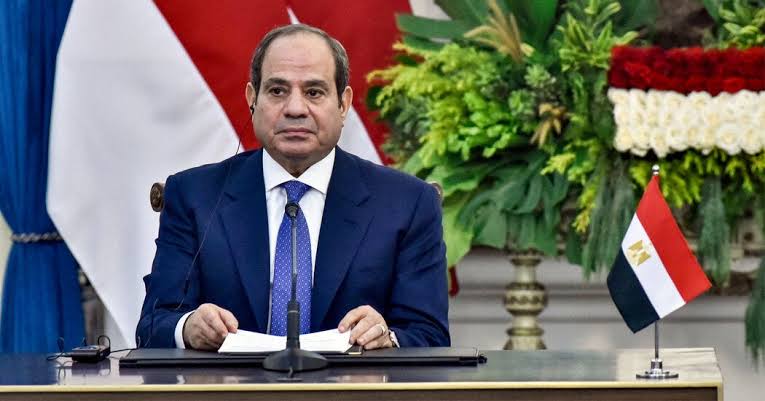
Israel’s First Election since the 2023 Hamas Attack has no Obvious Victor
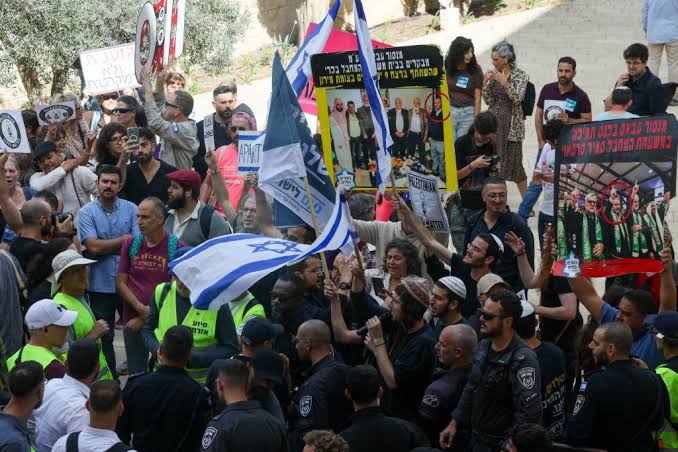
Many people saw the vote as a referendum on Prime Minister Benjamin Netanyahu’s handling of the conflict and as a turning point for the nation. It was the largest turnout in at least 25 years. Netanyahu’s Likud party and its right-wing allies, as well as a competing coalition headed by former military leader Gadi Eisenkot, don’t seem to be headed for a decisive victory as the vote count continues.
However, no single party has ever emerged victorious in Israel’s fractured parliamentary politics. This will probably result in weeks of talks to build a coalition because each party needs 61 seats in the 120-seat parliament to constitute a majority government.
According to exit surveys, Arab parties are expected to secure a historically high number of seats, giving them considerable influence over the next government. Netanyahu’s group had 55 seats, Eisenkot’s opposition alliance had 49, and the Arab parties had 16 after 51.8% of the votes were counted. This implies that if a coalition agreement with the Arab parties was reached, the opposition party would have enough seats for a majority.
Also Read:
At The Doha forum, the Somali President Denounces Israel’s Recognition of Somaliland
Steven Looije: Offering Real Estate Expertise for Smart Investments With HUIS Real Estate