In the Desert of South Africa, the Global Supply of Mohair Thrives
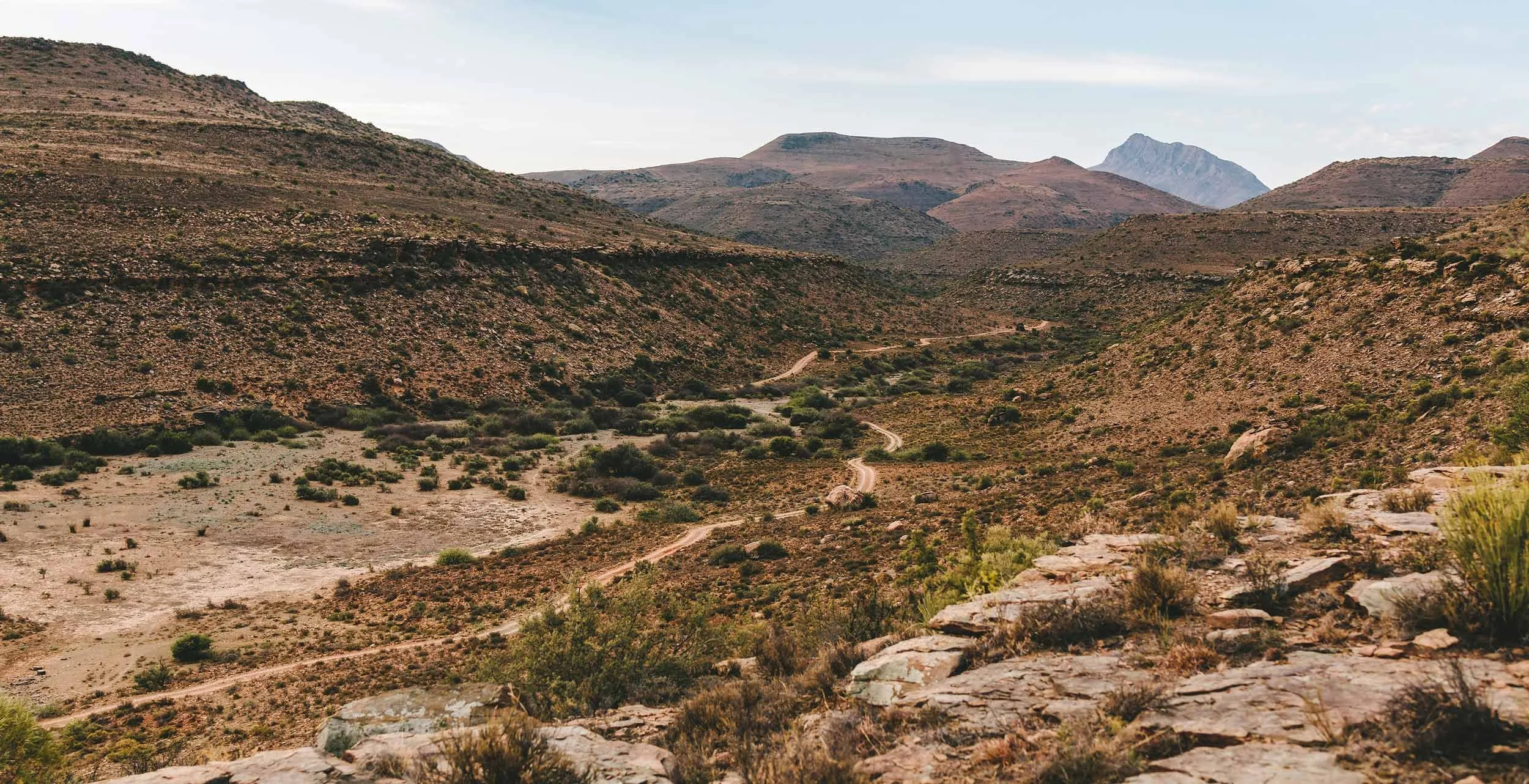
Herds of angora goats grazed broad terrain that stretched to the horizon on a farm in the semi-arid south of South Africa, their pale fleeces gleaming in the intense sunlight. More than half of the world’s output of the fiber valued for its sheen and softness comes from the sparsely inhabited Karoo region, which is connected by dirt routes and dotted with isolated farms. It is at the center of the worldwide mohair trade.
“Wheatlands 1912” is written on a Cape Dutch-style gable at one of the farm’s corners. Lloyd Short, who grew up on the 7,700-hectare (19,000-acre) family farm, stated, “This is the newest house on the property.”
However, Wheatlands’ renown is due to its goats, which have shiny golden fleeces, bent horns, and hanging ears rather than its architecture or rustic charm. Their smooth curls are used in knitwear, frequently combined with wool, and can sell up to 900 rands ($53) per kilogramme.
South African mohair is sourced for yarn by the Italian mill Vitale Barberis Canonico, which is well-known for producing high-end suit fabrics.According to Short, a seventh-generation farmer who typically gathers between one and 1.5 kg per animal, “the first two shearing are the most valuable.” Age causes a minor increase in output, but the fiber gradually loses value.
Also Read:
Sherifa Riahi, an NGO Employee, gets Released by Tunisia after 20 Months
Steven Looije: Offering Real Estate Expertise for Smart Investments With HUIS Real Estate