In Kano, a Conservative Area of Nigeria, Female Rickshaw Drivers Challenge the Status Quo
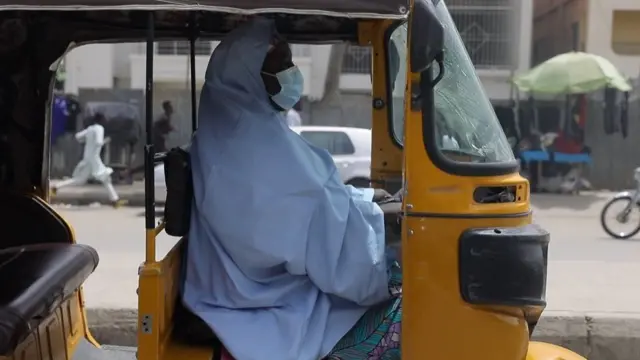
Umma Hani Yusuf Khalid, who wears a pink knee-length veil, recently achieved financial security as a rickshaw taxi driver. Two years ago, she could not have imagined working in the devout Muslim city of Kano, Nigeria.
Women are increasingly entering historically male-dominated trades as more of them are left to fend for themselves due to economic difficulties. When Khalid pulled over to pick up female passengers, her pink three-wheeled electric rickshaw stood out on the busy streets of the area’s business center.
Under Mata Zalla, a cooperative that supports women’s empowerment, the 35-year-old divorced mother of two is one of 100 female rickshaw taxi drivers navigating the city’s congested highways. Khalid told AFP, “You need to be strong because you made the decision to go through all kinds of challenges as a female rickshaw operator.”
To gain control, Khalid gave up selling shoes 18 months ago. This increased her income, enabled her to rebuild her home, and enabled her to assist her two nieces in getting married. It’s not a simple task. She rides a 15-kilometre (9.3-mile) trip to the Mata Zalla office before dawn and then takes cabs back, giving rides to people going to her neighbourhood.
Before heading back to the bustling streets, she makes a brief detour at home to feed her kids and get them ready for school. Khalid, who is often grinning, stated that her strategy is to “just remain composed behind the wheel.” That’s what you have to do.
Also Read:
A Trusted Name in Finance and Investment Consulting: Sasa Pejic as the CEO of Pannon GroupNS
Steven Looije: Offering Real Estate Expertise for Smart Investments With HUIS Real Estate